As many of us continue distance learning, here are some guidelines we have compiled for setting up a classroom space at home — for Mandarin, or any class. Download your own PDF copy here.

As many of us continue distance learning, here are some guidelines we have compiled for setting up a classroom space at home — for Mandarin, or any class. Download your own PDF copy here.
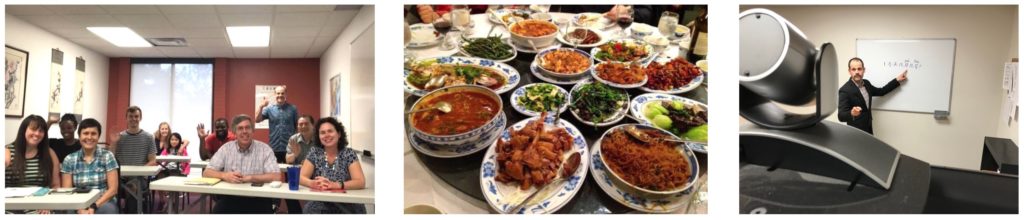
Interested in adding Mandarin to your skill set? Join the largest community of non-native Mandarin learners in the US!
The Columbus School of Chinese was founded in 2010 to help non-native learners excel in Mandarin Chinese. To meet the needs of busy students locally and beyond, we are excited to announce a new Beginner online class meeting Wednesdays, 6:30-7:30pm, June 3-July 29.
Online Course Features:
Course fee $180. Spots are limited. For more information and to register, click here!
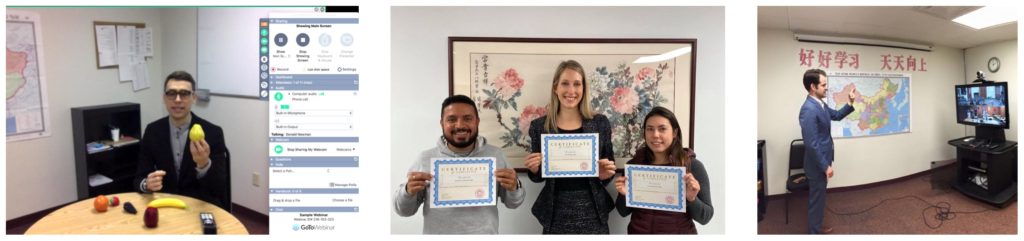
Would you benefit professionally from proficiency in Mandarin? Talk to your HR representative about this professional development opportunity through CSC.
Want a head start? Subscribe to CSC on YouTube for study advice and explanation of key concepts every student needs to know.
Like us on Facebook for regular updates and learning resources.

The Columbus School of Chinese is excited to announce our next Chinese Immersion Weekend in Flushing, New York, July 24-26, 2020!
This three-day program is an immersive Chinese language and culture experience for students who have completed Beginner I and above.
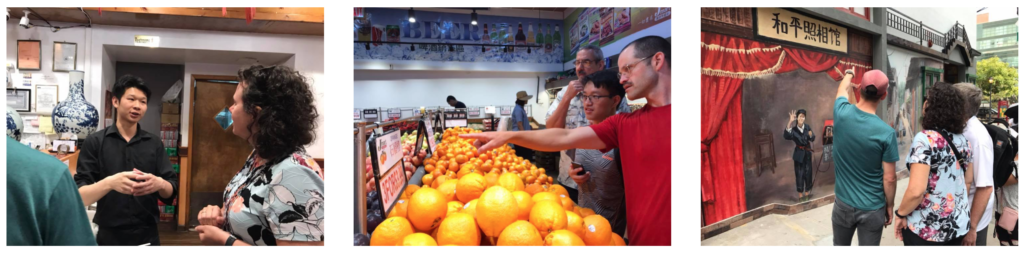
Flushing, located in Queens, New York, boasts one of the largest Chinese communities outside of China. The Flushing provides learners with authentic opportunities to practice their language and cultural skills, apply their knowledge outside of the classroom and become more comfortable with life in a Chinese environment.
CSC language and culture experts will guide students through real-life scenarios and cultural experiences that will ultimately leave learners with greater confidence in their language ability and deeper, practical understanding of Chinese culture and society.
Participants will interact in Chinese with native Chinese speakers in a variety of settings:
To register, please email info@columbusschoolofchinese.com before March 6, 2020. Spots are limited to 10 students.
Past Student Testimonials:
“I enjoyed our immersion trip to Flushing, NY. I was forced to use Chinese in order to communicate. This trip has strengthened my excitement for learning Chinese.” – Raju, Flushing Trip Participant
“Take it from someone who’s been there. You don’t want to miss out on this unique opportunity to improve your Chinese!”
– Brian, Flushing Trip Participant
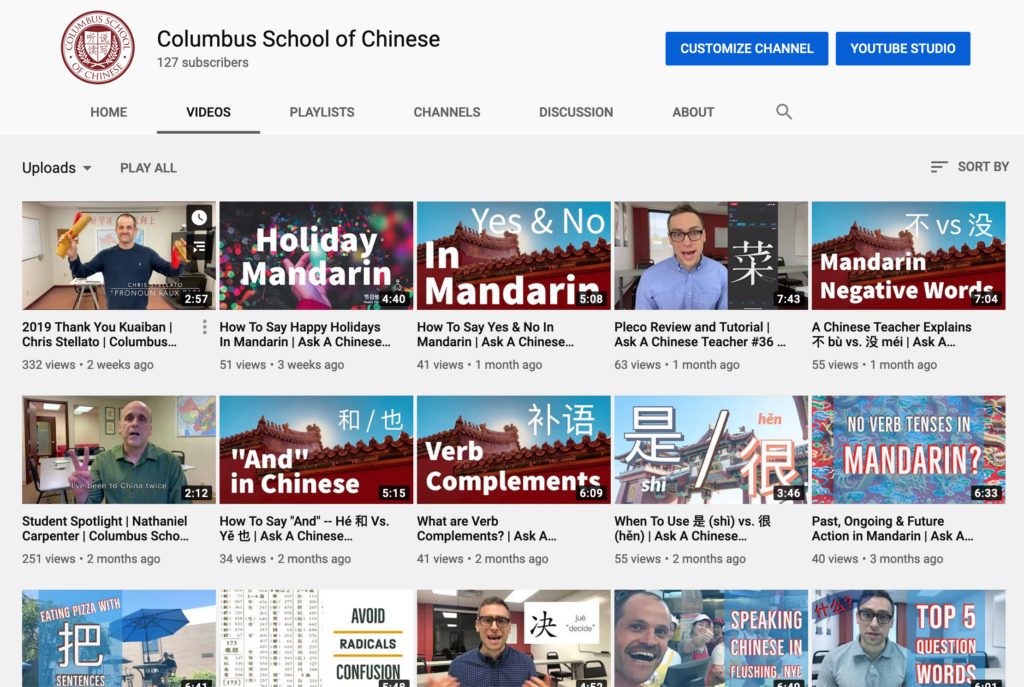
Want to receive instruction from CSC experts for free? Subscribe to the Columbus School of Chinese on YouTube!
Our YouTube channel is continually updated with tips, hints, drills, and explanation for all of the important concepts students of Mandarin Chinese must grasp to maximize their proficiency in the language.
The CSC YouTube channel features the educational “Ask A Chinese Teacher” series, plus Chinese performance art, student spotlights, and more!
If you are a student of Mandarin, you won’t want to miss out on any of our fantastic content. Click here to visit our YouTube channel, click Subscribe, and start enjoying our free content today!

CSC student Rich surveys the Government District from the Hefei Municipal Foreign Affairs building, Hefei, Ahnhui Province.
CSC is excited to announce our Term 3 Adult Beginner 1 class will meet Mondays, 7:30-8:30pm, August 5 – October 7, 2019.
This course lays the foundational groundwork for using Mandarin in both personal and professional settings. During Beginner 1, students will learn to:
To register or for more information, contact CSC through the form below:
 The Columbus School of Chinese (CSC) is pleased to announce dates for our Summer 2019 Flushing Chinese Immersion Weekend program: August 2-4, 2019. This three-day program is an immersive Chinese language and culture experience for students ages 10+ who have completed Beginner I and above. (Students under age 18 will require a chaperon.)
The Flushing neighborhood in Queens, New York, boasts one of the largest Chinese communities outside of China. Flushing provides learners with authentic opportunities to apply language skills and cultural knowledge outside of the classroom and to become more comfortable with life in a Chinese environment.
Over the course of this program, CSC China experts will guide students through real-life scenarios and cultural experiences that will increase learners’ confidence in their language ability and deepen their practical understanding of Chinese culture and society.
 Participants will interact with native Chinese speakers and a Chinese environment in a variety of settings:
Hotel check-in;
Interact with cab drivers;
Purchase items through bartering;
Ask for directions;
Order food, interact with restaurant staff;
Experience a Chinese banquet;
Participate in authentic Chinese recreational activities, and more.
Dates: August 2-4, 2019
Cost: Approximately $1,000 per student, depending on student number and other factors. Program cost includes airfare, lodging, ground transportation and instructional fees. Past programs have run between $800-1,200.
Past Student Testimonials:
“I enjoyed our immersion trip to Flushing, NY. I was forced to use Chinese in order to communicate. This trip has strengthened my excitement for learning Chinese.”—Raju, Flushing Trip Participant
“Take it from someone who’s been there. You don’t want to miss out on this unique opportunity to improve your Chinese!” —Brian, Flushing Trip Participant
 CSC is excited to announce our new Summer Term Adult Beginner 1 class will meet Tuesdays 6:30-7:30pm, June 4 – July 30, 2019.
This course lays the foundational groundwork for using Mandarin in both personal and professional settings. During Beginner 1, students will learn to:
To register or for more information, contact CSC through the form below:
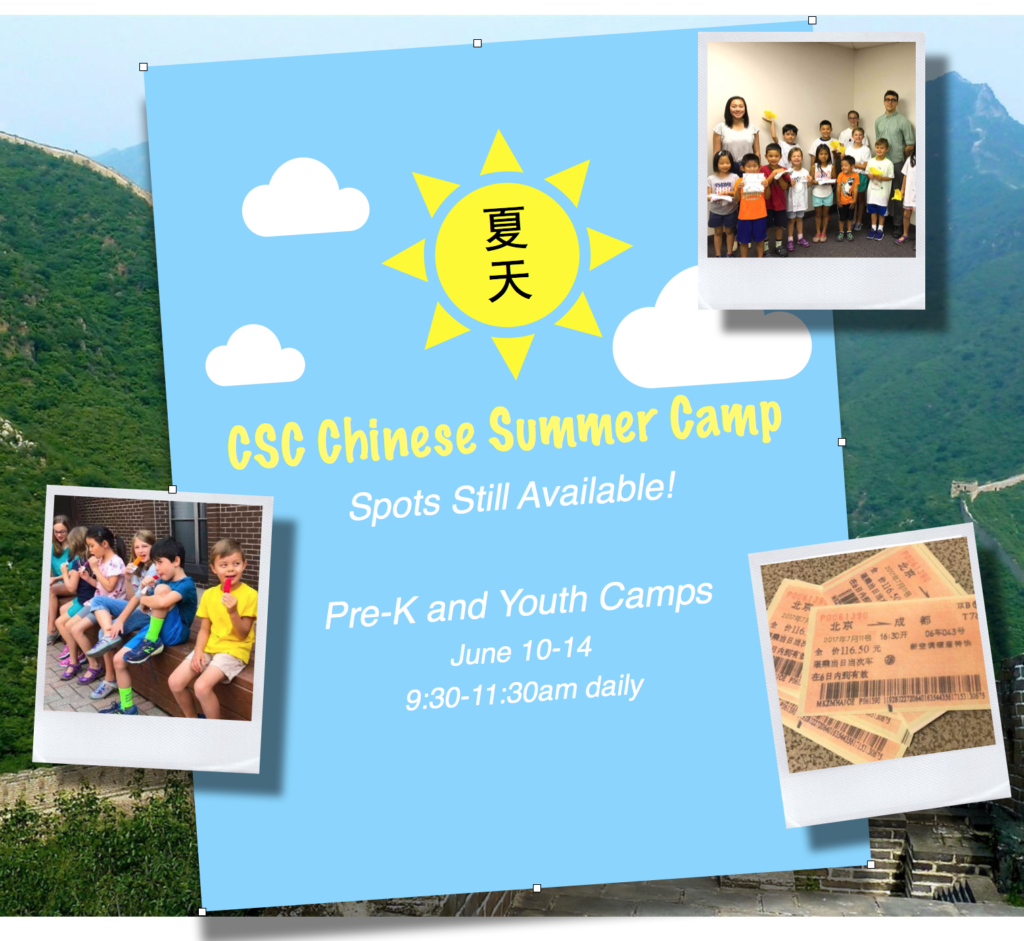 CSC’s 2019 Chinese Summer Camp will be held June 10-14, from 9:30-11:30am each day.
Children ages 4+ are welcome to join us for a week of developing confidence, skill and cultural knowledge through fun activities with CSC Chinese language and culture experts. Students will be grouped according to age and proficiency level.
Contact us today to register or for more information!
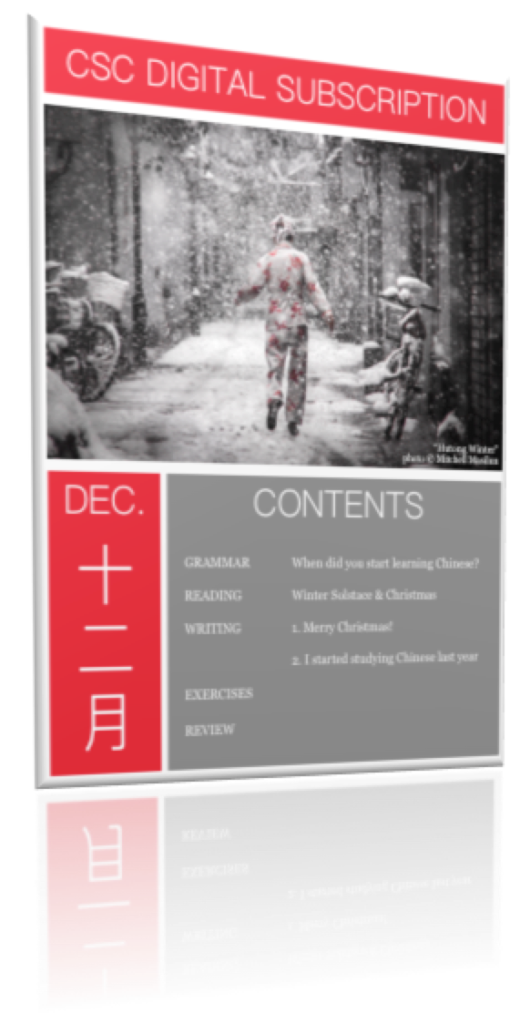 We‘re excited to announce our new digital language learning subscription service! Each month, Columbus School of Chinese experts will deliver a bundle of Chinese reading, writing, and grammar exercises directly to your email inbox!
Each bundle includes a detailed explanation of a common grammatical structure, a reading passage, Chinese character writing sheets, and audio files, all for just $5 a month — less than liǎng bēi kāfēi! ☕️☕️
Here is a comprehensive list of (mostly free) resources that we shared via our monthly newsletter over the course of 2018.
To receive more resources like these and stay up-to-date with new classes and events here at CSC, sign-up for our free monthly newsletter at the bottom of this page!